
Stockholm
The capital of Sweden
Stockholm is Sweden's capital, built across 14 islands where Lake Mälaren meets the Baltic Sea and connected by 57 bridges. It is a city where water and green space are never far away, with a walkable historic core, world-class museums and an archipelago on its doorstep. It suits travellers who want a Nordic capital that balances history, design and easy access to nature.
Further down the page, our destination guide answers the most common questions about visiting Stockholm.
Style
Season
Duration
Tour Standard
















Gallery


How many days do you need in Stockholm?
Three nights is a good baseline: enough for the Old Town (Gamla Stan), the main museums on Djurgården and a first walk through the Royal National City Park. Add a night if you want a full day out in the archipelago, which is one of the more rewarding things to do here and needs an unhurried pace. Many travellers pair Stockholm with Copenhagen, Oslo or Helsinki on a wider Nordic route: see our Nordic capital tours.
When is the best time to visit Stockholm?
Late spring to early autumn is the easiest time to visit, with long daylight hours, archipelago boats running at full frequency and outdoor life in full swing. Summer is the peak, while May, June and September bring the same long light with fewer visitors. Winter is darker and quieter, but it suits museums, design and the run-up to Christmas. For a fuller picture of the city, read our things to do in Stockholm guide.
What is there to do around Stockholm?
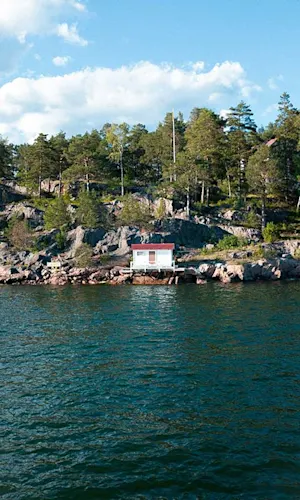
Start in Gamla Stan, the Old Town, on the original island where the city began in 1252, with the Royal Palace and Storkyrkan cathedral at its heart. On Djurgården, the Vasa Museum houses a 17th-century warship that sank on its maiden voyage in 1628 and was raised from the harbour in 1961, and the nearby ABBA Museum is more interactive than the name suggests. The Royal National City Park, established in 1994 as the world's first national urban park, stretches through the city within walking distance of the centre. Even the metro is worth a look, with original art across many of its stations. Beyond the city, the archipelago of roughly 30,000 islands reaches 80 km east into the Baltic, and a boat trip out is easily done in a day: see our guide to the Stockholm archipelago.
How do you get to Stockholm?
Stockholm's main airport is Arlanda (ARN), about 40 km north of the city, with the Arlanda Express train reaching Central Station in around 18 minutes. Bromma (BMA) is closer to the centre but handles mostly domestic flights. The city is also well connected by train and by Baltic ferry to Helsinki and the wider region, and central sights are walkable with an efficient public transport network for everything else.
Is Stockholm worth visiting?
Yes. Few capitals combine a medieval old town, a major museum scene and direct access to a 30,000-island archipelago as easily as Stockholm does. For more on the country, browse our Sweden travel articles.