
Northern Lights Group Tours
Some of the most rewarding ways to experience the Nordic region come in the quieter, darker months, when the landscapes change and the Northern Lights become possible. Our autumn and winter group tours travel above the Arctic Circle in search of the aurora, most in genuinely small groups, all with an experienced tour leader throughout, and time built in for the north to reveal itself at its own pace. Browse the departures below, and read on beneath them for how the tours work, when to travel and what to expect.
Destination
Season
Duration
Tour Standard





What makes your group tours different?
A few things, mainly.
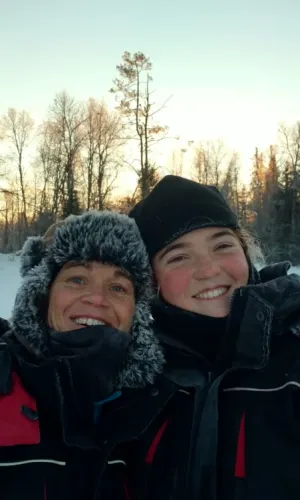
Genuinely small groups on most tours. Most of our tours are capped between 15 and 18, and smaller on some, with our Premium Lapland Highlights tour limited to 12. One Classic departure, the Northern Lights Corridor from Tromsø to Rovaniemi, runs a little larger at up to 30, which keeps it more affordable while following the same route design and local partnerships as the rest. These are maximums, and many departures travel below them, so the group you join is often smaller than the cap suggests. Either way, there are no long queues, rushed stops or crowded coaches.
Someone with you throughout. Most tours are led by a 50 Degrees North tour leader from start to finish, backed by knowledgeable local guides, rather than handed between operators along the way; our Icelandic Lights departure is led by a local guide throughout. Every departure is also backed by 24-hour in-destination emergency support, so help is there if anything unexpected happens.
Designed in-house by Nordic specialists. Because we plan the tours ourselves, they reach quieter corners of the north that larger international companies tend to miss.
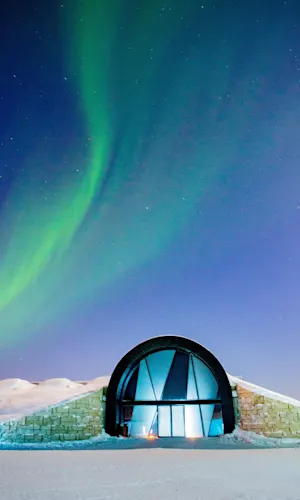
Accommodation chosen for character, not just convenience. Handpicked boutique hotels, glass-roofed cabins for watching the sky from your bed, locally owned Arctic lodges and, on some journeys, the original ICEHOTEL. There's more on this below.
A certified B Corporation. We meet independently audited standards for social and environmental performance, and a share of our profits goes to environmental and community initiatives across the Nordic region through our Impact Fund.
For a closer look at how our departures compare, read our guide to the best Northern Lights group tours in Norway, Finland and Iceland.
How do I choose between them?
The departures differ in a few main ways: group size, the standard of stay, and how far north they reach.
If group size matters most, our small-group aurora tours cap between 12 and 18, with the Premium Lapland Highlights the most intimate at 12, while the Classic Northern Lights Corridor trades a larger group for a lower price. Standard of stay follows the same range: most tours sit in the 3 to 4-star range, while Premium departures like Lapland Highlights lean towards more distinctive stays and a softer pace. And for the aurora itself, every departure spends multiple nights above the Arctic Circle, though the exact regions and activities vary.
Each tour page shows its group size, route, tier and inclusions, so you can weigh them side by side.
When is the best time to travel?
The aurora season runs from roughly late September to late March, and the two ends of it feel quite different. Autumn departures pair the Northern Lights with the last of the autumn colour and milder conditions. Deep-winter departures, from December through March, bring full snow landscapes, the widest range of winter activities and the longest dark-sky viewing windows. Both sit under the auroral zone; the choice is really about the setting and conditions you prefer. For a month-by-month breakdown, see our guide to the best time for the Northern Lights.
Can you see the Northern Lights on these tours?
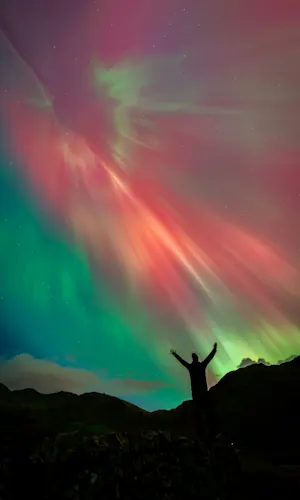
That's the reason they're built the way they are. Every autumn and winter departure spends multiple nights above the Arctic Circle, away from artificial light, which is what gives the aurora its best chance to appear. Sightings are never guaranteed, since the lights depend on both solar activity and clear skies, so no tour can promise them. What our itineraries do is stack the odds in your favour: several nights in the aurora zone, local guides who track conditions each evening, and the flexibility to move to clearer skies. To understand the science and the timing, see our guide to where to see the Northern Lights.
Where do you stay?
Accommodation is part of the experience on these tours, not just a place to sleep. On most departures you can expect handpicked boutique hotels, glass-roofed cabins and domes for watching the sky from your bed, locally owned Arctic lodges, and on some journeys the original ICEHOTEL in Swedish Lapland. Most stays sit in the 3 to 4-star range, chosen for character and location rather than size.
On our Classic departures, such as the Northern Lights Corridor, accommodation is centred on comfortable, well-located 3-star hotels. This keeps the journey more affordable while the design stays focused on the route, the activities and time spent in the aurora zone.
What's included?
The tours are designed so the cost is clear upfront. Most meals, the key seasonal activities and all transport are included, along with your tour leader or local guide and 24-hour in-destination emergency support. On winter departures, cold-weather gear is typically provided too. The aim is a trip with few surprises, so you can focus on the experience rather than the logistics.
What are the activities like?
Beyond aurora watching, the tours are built around the winter north: husky sledding, snowmobiling, snowshoeing, Arctic food tastings and local storytelling, chosen to suit each season and place. The pace is unhurried by design, with genuine, unrushed experiences in places that reward the effort of getting there, rather than a checklist of stops. For a closer look at one of the signature winter activities, read our guide to getting ready for dogsledding.
How cold is it, and how fit do I need to be?
Arctic winter temperatures often sit well below freezing, which is why warm gear and layering matter, and why we include or advise on the right clothing. That said, most activities are accessible to anyone in reasonable health; they're graded moderate rather than challenging. For what to bring and how to layer, see our guide to snow clothing essentials. If you have any concerns about a particular departure, our specialists can talk you through what each one involves.