Inari, Lapland
Inari is a village on the shore of Lake Inari in the far north of Finnish Lapland, and the centre of Sámi culture in Finland. Smaller and quieter than Ivalo to the south, it is home to the Sámi Parliament and the Siida museum, and sits amid some of Europe's least crowded wilderness. It suits travellers who want to understand the Sámi heartland and explore the lakes, forests and fells of Finland's Arctic north. Further down the page, our destination guide answers the most common questions about visiting Inari.
Style
Season
Duration
Tour Standard


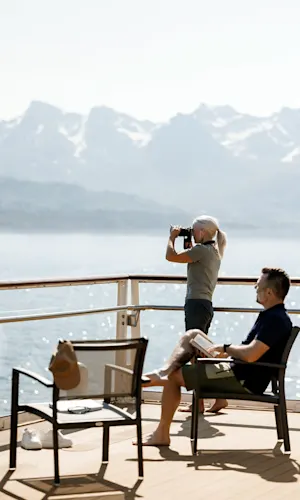
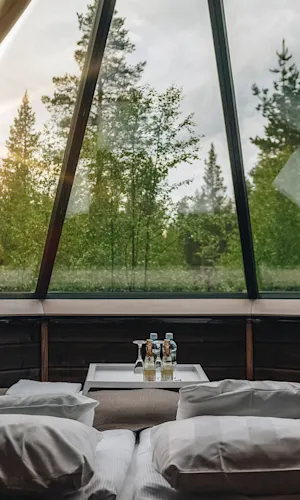

Gallery
What is Inari known for?
Inari is the cultural centre of the Sámi people in Finland. The village, on the shore of Lake Inari, is home to the Sámi Parliament at Sajos and to Siida, the national museum of Sámi culture and northern nature, one of the finest museums in the country. It is a small place, but a significant one: the focal point of Sámi language, governance and cultural life in Finland, set against a backdrop of vast lake and wilderness.
Where can you learn about Sámi culture in Inari?
Inari is the best place in Finland to encounter Sámi culture. The Sámi are the indigenous people of the European north, with a homeland, Sápmi, spanning northern Finland, Norway, Sweden and northwest Russia, and they are the European Union's only recognised indigenous people. In Finland they have their own elected parliament, based at Sajos in the village, and three recognised languages: Northern Sámi, Inari Sámi and Skolt Sámi. The Siida museum gives an excellent introduction to Sámi culture and the nature of the north. Sámi life today combines the traditional and the modern: reindeer herding and other customs remain important, alongside contemporary working lives. It is worth being clear-eyed that genuinely Sámi-led experiences are distinct from general Lapland tourism, and we wrote about meeting the Sámi people in the Nordics and how to do it respectfully.
What is there to do around Inari?
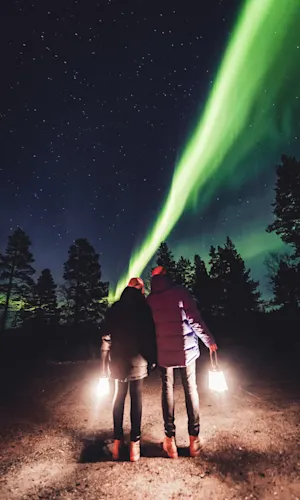
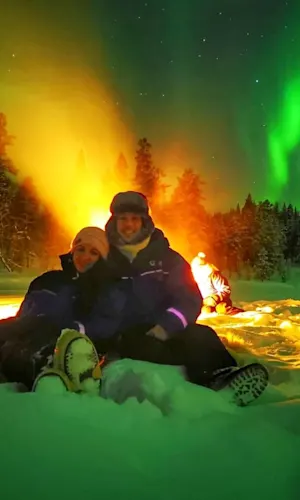
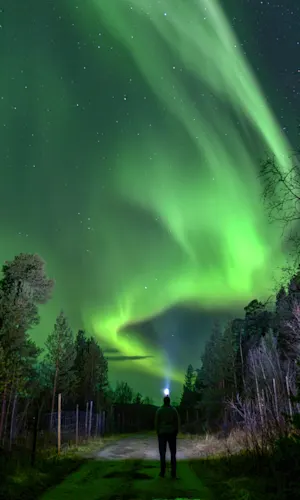
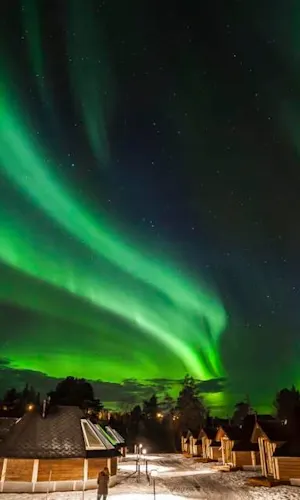
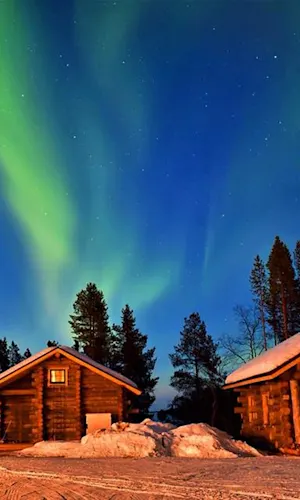
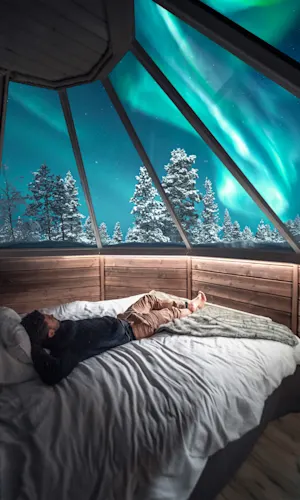
Lake Inari is the heart of the area, one of Finland's largest lakes, scattered with thousands of islands, many long sacred to the Sámi. It is a place for boat trips in summer and ice travel in winter. The surrounding national parks and wilderness reserves are among the least crowded in Europe, good for hiking, canoeing and, in the dark months, aurora watching far from any light. The wider region rewards slow, unhurried travel more than a checklist of sights.
When is the best time to visit Inari?
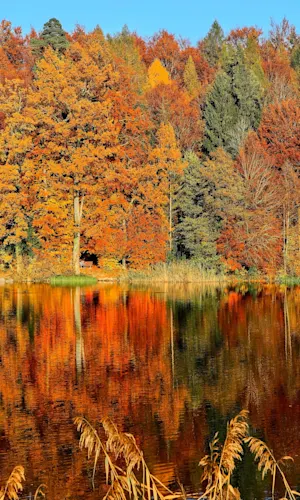
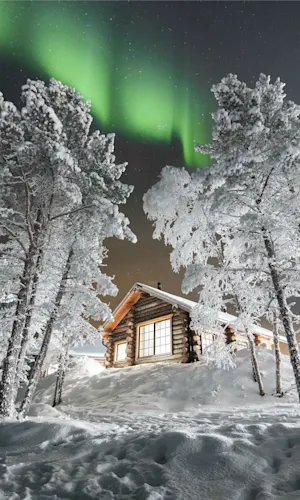
The seasons here are pronounced. Winter, from around December to March, brings long polar nights and some of Lapland's most rewarding Northern Lights conditions, with snow-based activities across the region. Autumn brings the short, vivid ruska colour and the first auroras. Summer has weeks of midnight sun, when the lake, forests and fells can be explored around the clock. For the aurora specifically, see our guide to the best time for Northern Lights in Finland.
How do you get to Inari?
The nearest airport is at Ivalo, about 40 km south, Finland's northernmost, with direct flights from Helsinki and a road and bus connection north to Inari along the E75. Most travellers arrive through Ivalo and continue to Inari by road or transfer. You can read more about the gateway village on our Ivalo travel guide. For more on the country, browse our Finland travel articles.