
How to plan a Scandinavia trip: how long, when to go, and the mistake to avoid

Nordic specialist Satu Vänskä-Westgarth on how to plan a Scandinavia trip that is worth the journey: how the three countries differ, how long you need, when to go, and the mistake to avoid.
Most people planning a Scandinavia trip start with the same instinct: see everything. Norway and Sweden and Denmark, ideally in a fortnight, ideally without missing a thing. It is an understandable impulse, and it is usually the thing that undoes the trip. The distances are longer than they look on a map, and a holiday spent moving between highlights rarely leaves room for the places that make the region worth the journey.
I'm Satu, and I design Nordic journeys for a living. This is a guide to planning a Scandinavia trip that goes the other way: fewer places, more time in each, and a sense of the north that you cannot get from a list of sights. It draws on what I have learned building these itineraries day after day, and on a conversation I had recently on the Scandinavia Travel Tales podcast.
Norway, Sweden or Denmark: which should you visit?
Choose Norway for dramatic landscape, Sweden for quiet nature and culture, and Denmark for compact cities and food. The three are often spoken of in one breath, but they ask for quite different trips.
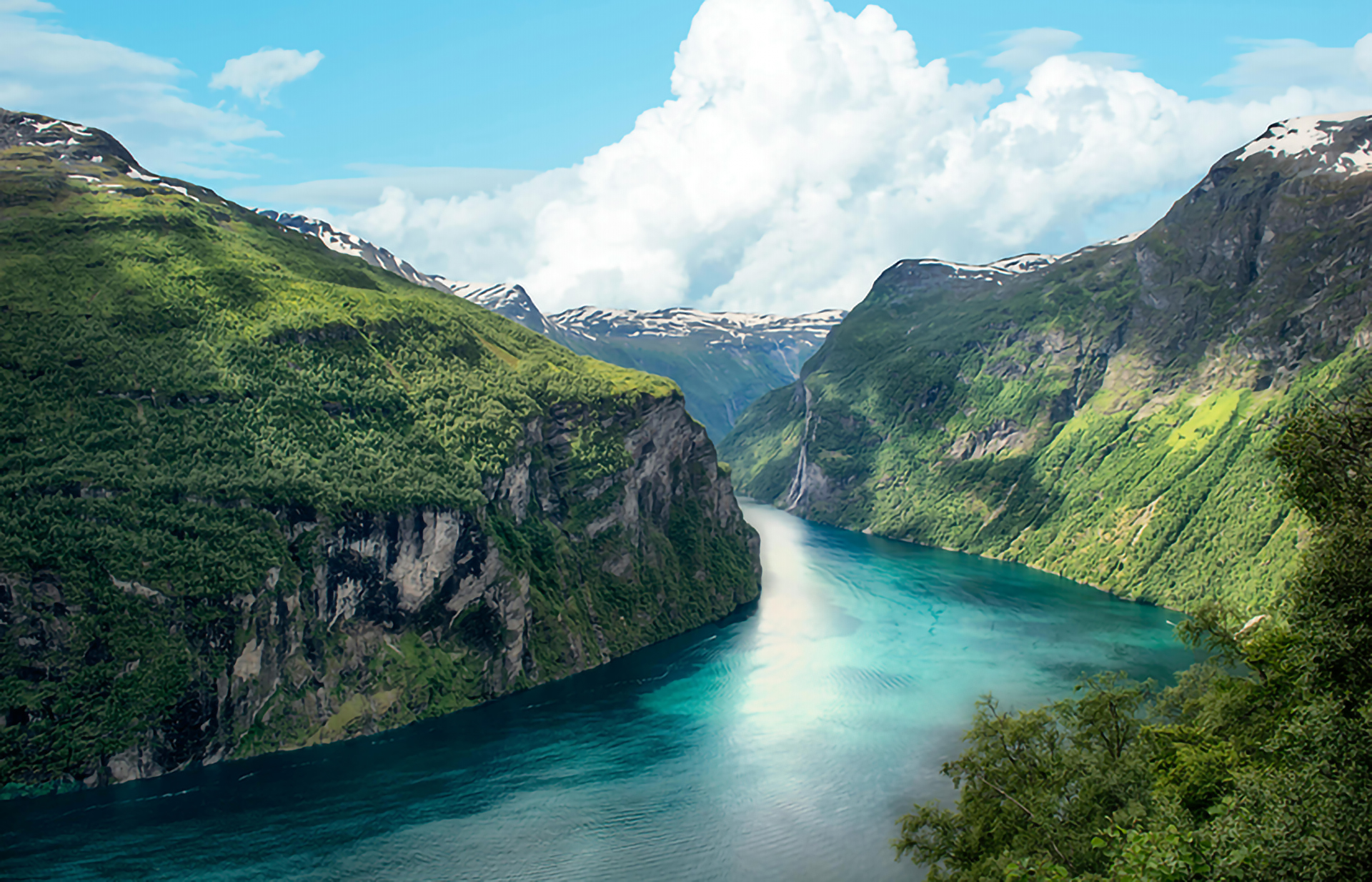
Norway is the country of fjords cutting deep inland, mountains, and a coastline built for slow travel by rail and sea. It suits travellers drawn to the outdoors, whether that means hiking, kayaking, or simply watching the scenery pass from a train window.
Sweden is quieter and, in travel terms, less explored than its neighbour. Forests, lakes, wildlife and an abundance of characterful cities make it a gentler, more reflective choice, often the country people add on a second visit and wish they had given more time on the first.

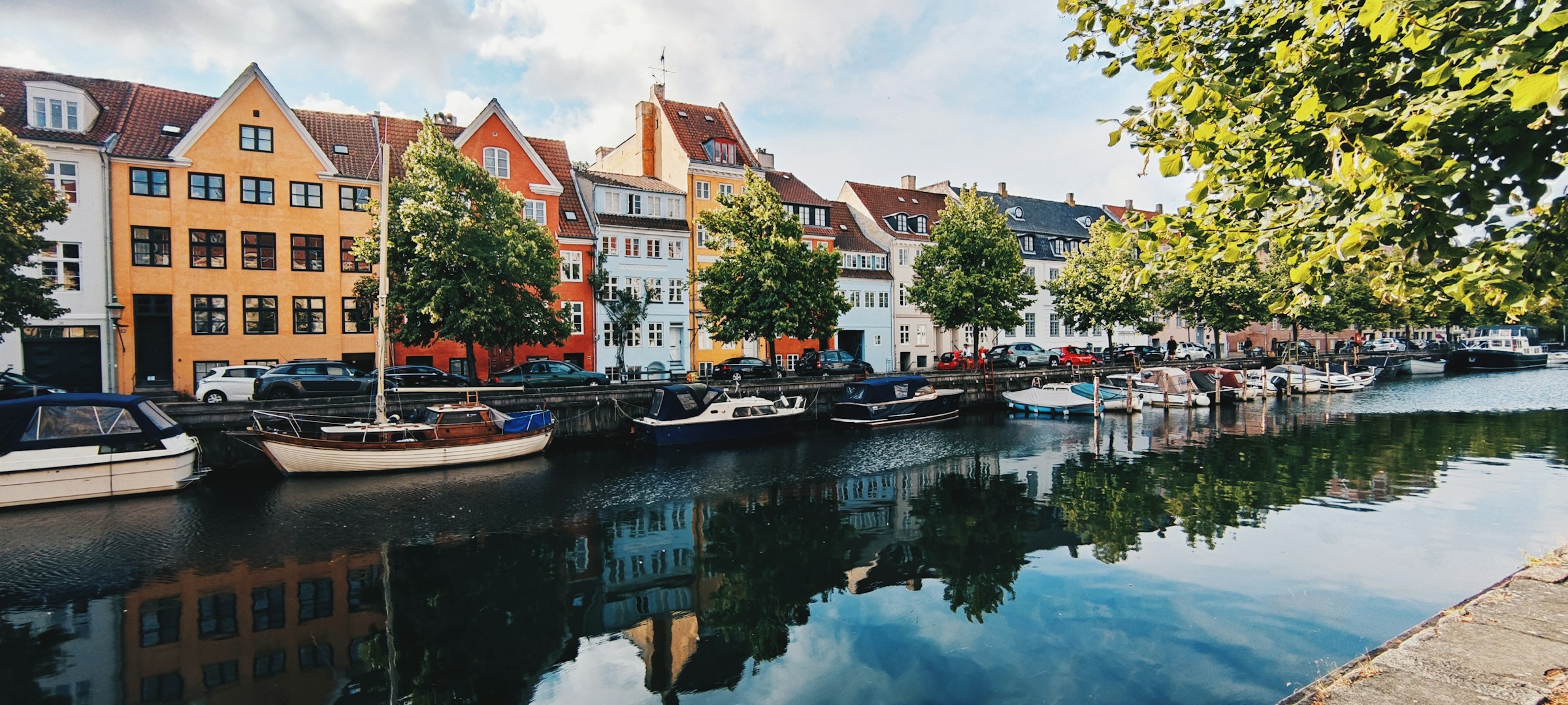
Denmark is the most compact of the three, with short distances, excellent food, and a cosmopolitan ease to its cities. It rewards travellers who like to explore on foot and settle into a place rather than cover ground.
The point of the distinction is practical: it should shape the itinerary rather than sit in the background. Knowing which of the three matches your interests is what turns a broad wish to see Scandinavia into a trip that actually fits.
What is the most common mistake when planning a Scandinavia trip?
The most common mistake is trying to fit too much into one trip. It is not about which places people choose, but how many, and how fast.
Cramming in too much is what leaves travellers changing hotels every night, spending their days in transit, and arriving home feeling they saw a great deal and experienced very little. The advice I give most often is straightforward, if not always easy to accept: choose fewer destinations, stay longer in each, and treat the journey between them as part of the trip rather than an interruption to it.
How long do you need in Scandinavia?
For a first trip, one week covers the highlights of a single country, while ten days to two weeks lets you combine two at a comfortable pace. Longer stays are where the region really opens up.
A week is enough to see some of the best of one country, and for many first visits that is a sensible scope. Ten days to two weeks gives a far better balance, room to pair a city with the landscape beyond it, without the pace becoming punishing. Beyond that, the quieter places that reward slow travel start to make sense.
Should you visit Scandinavia in summer or winter?
Summer and winter are two different trips, not the same holiday in different weather. Summer is for fjords, hiking and long daylight; winter is for the Northern Lights, snow and Christmas.
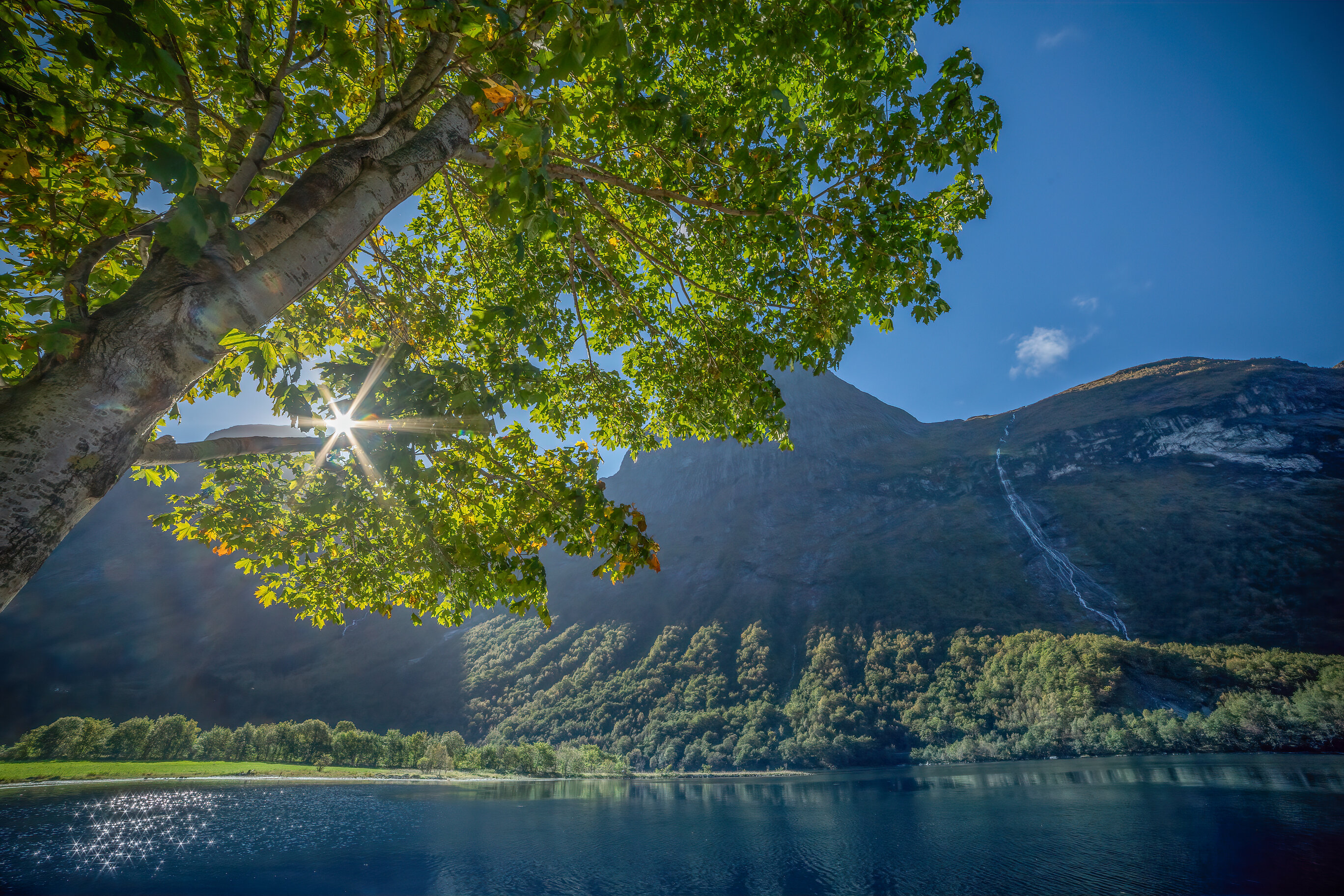
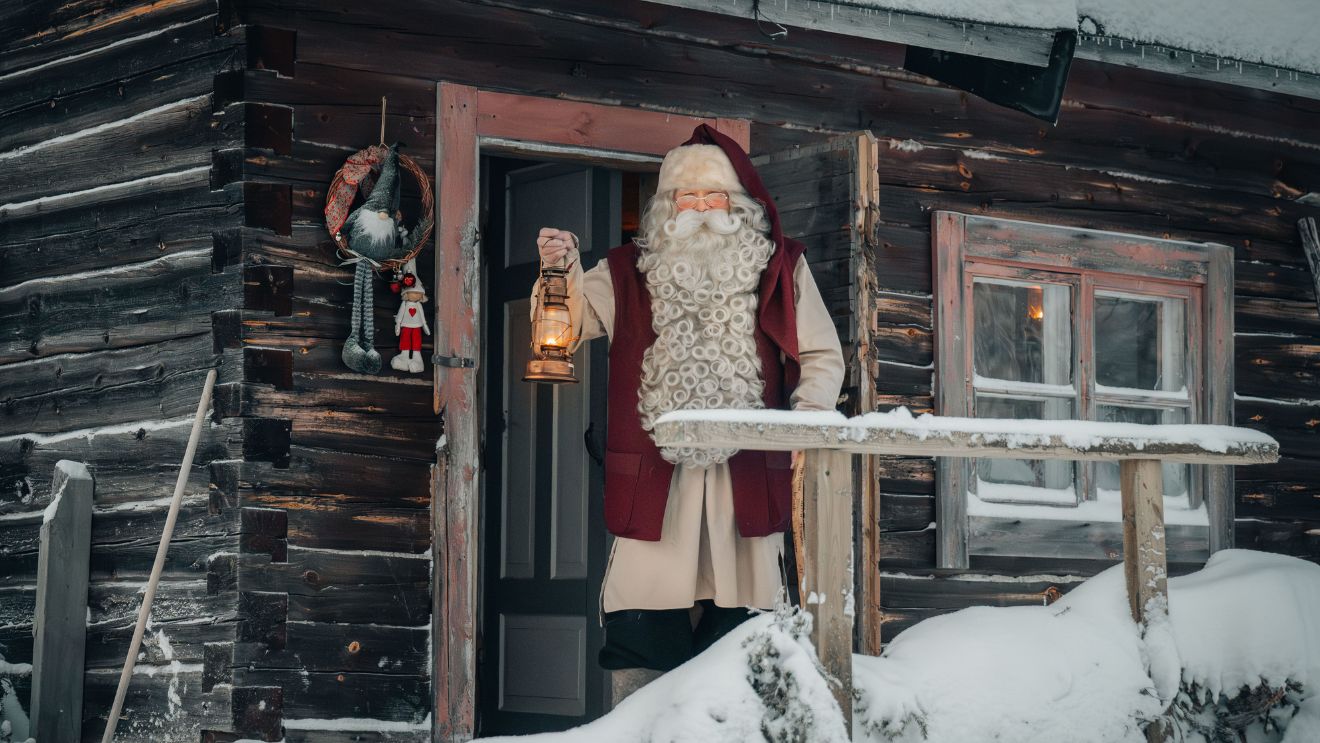
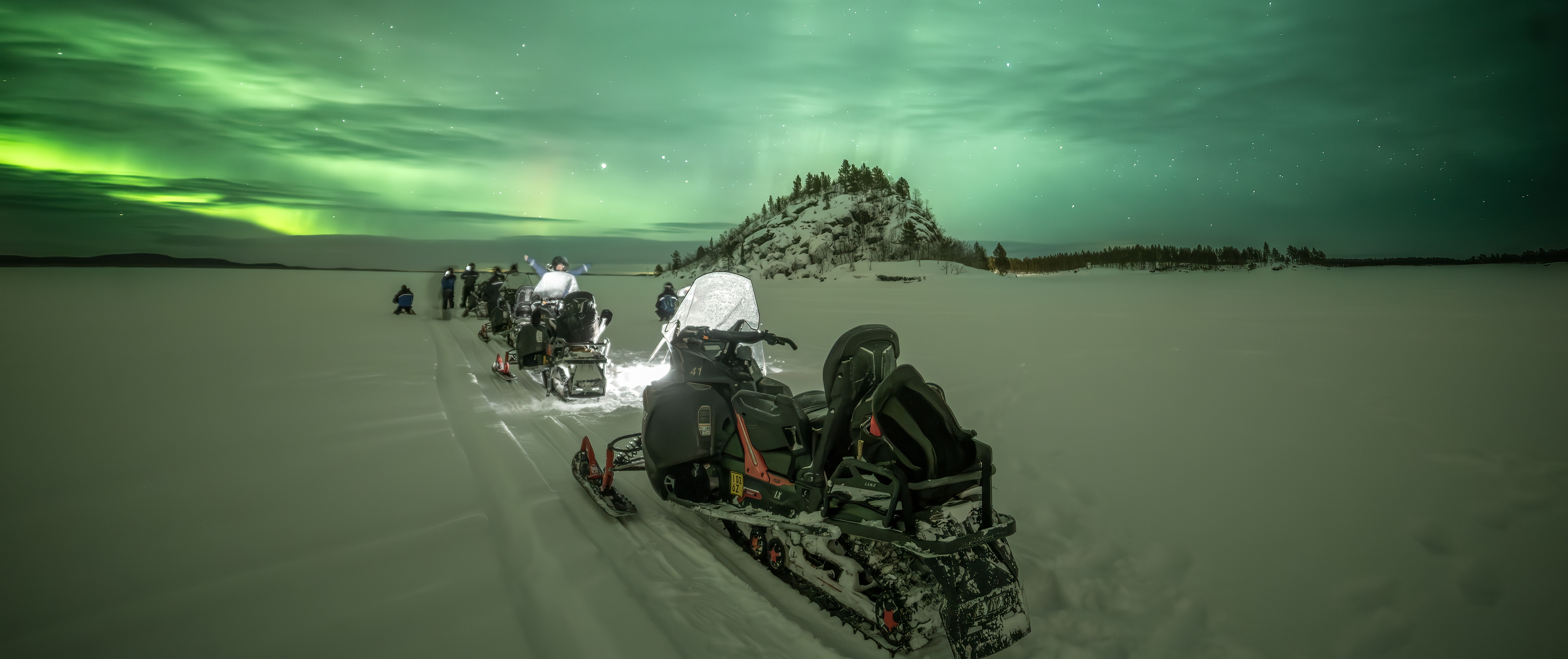
Summer brings mild, easy conditions for exploring cities and coast, and daylight that stretches deep into the evening. Winter is darker, colder and, for many, the more magnetic: the Northern Lights, husky and reindeer sledding, skiing, Christmas markets, and, further north in Finnish Lapland, the Santa experiences that draw families from around the world.
Autumn sits quietly between the two, and I often recommend it to travellers who want fewer crowds. The landscapes turn, the light softens, and in the north the nights grow dark enough for the Northern Lights to return well before winter proper. It is a good season for those who would rather have a place to themselves than see it at its busiest.

One thing I see often: independent travellers who are comfortable arranging their own summer trip will choose a small group tour in winter, when conditions are more demanding and local knowledge counts for more.
Can you visit Norway, Sweden and Denmark in one trip?
Yes, and for travellers coming a long way it often makes the journey worthwhile. The connections that work best use the scenery rather than fly over it.
For visitors from Australia, New Zealand or North America, combining countries turns a long-haul journey into a fuller experience. An overnight ferry between capitals, or a scenic rail route, becomes part of the trip rather than simply a means of getting from one place to the next.
Getting around is part of the appeal. Scenic trains, coastal ferries and reliable public transport turn the travel itself into something worth remembering. Driving is safe and straightforward, and genuinely useful for reaching remoter areas; flying is sometimes necessary, but it skips most of what makes the region beautiful.
Our 16-day Scandinavian Capitals and Fjords summer tour is one great example of how to combine several countries in one itinerary.

How far ahead should you book?
Book several months ahead for most trips, and further ahead again for Christmas and peak winter travel. Scandinavia rewards planning.
Booking early gives you the pick of accommodation and the routes that work best. For Christmas and peak winter, particularly anything involving Lapland, the best places fill early, this is the most sought-after window of the year, and it is worth securing well in advance.
Look beyond the famous names
The classic route runs Oslo to Bergen, and there is good reason for its popularity. But some of the most memorable places I send travellers to see only a fraction of the traffic. Areas such as Telemark, and the north around Tromso, Bodø and Alta, offer the same landscapes with far more room to breathe. Senja, just beyond the better-known Lofoten, is a case in point.
On the podcast I finish on a hidden gem of exactly this kind: a small island off the northern Norwegian coast, with a restored fishing village, family-run rooms, remarkable food and almost no other visitors. I will leave that one for the episode.
The one piece of advice worth keeping
If there is a single principle behind all of this, it is this: do not try to see everything. Choose a few places, experience them properly, travel more slowly, and leave something for your next visit. The north is not a checklist. It rewards the travellers who give it time.
For the full conversation, including my hidden island and my thoughts on where AI helps with trip planning and where it does not, listen to the Scandinavia Travel Tales episode on Spotify or Apple Podcasts.