KYSTRUTEN - Norway's Coastal Route
Kystruten Bergen–Kirkenes is a Norwegian public coastal route carrying passengers and cargo that travel locally and regionally between Bergen and Kirkenes. Kystruten translates directly from Norwegian as 'coastal route'. The route traditionally sails daily, year-round, with 34 ports of call northbound and 33 southbound.
The route was established in 1893 by government contract to improve communication along Norway's long, jagged coastline. Before then, the coast was poorly charted, and only the most experienced captains attempted these waters. The steamship 'Vesteraalen' made the first voyage, leaving Trondheim on 2 July 1893 bound for Hammerfest and calling at nine ports along the way. She reached Hammerfest around 67 hours later, then the fastest link between northern and southern Norway, which is how the route came to be called Hurtigruten, the 'fast route'.
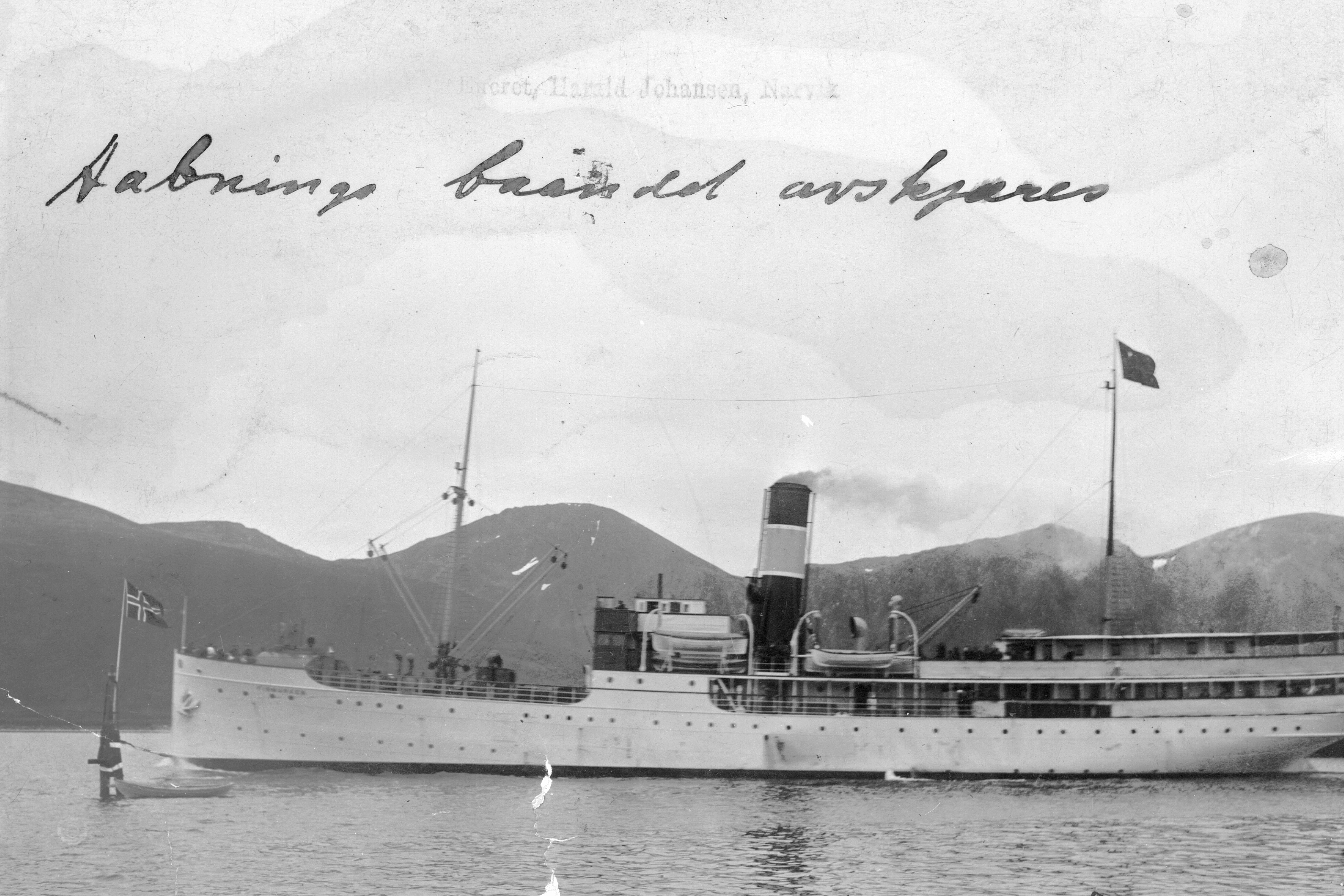
Until the 1940s, most ports north of Trondheim could not be reached by road from Oslo, so the sea was the only way in, and the route's importance to Norway is hard to overstate. Many of the ships that sailed it were lost during the Second World War, and a great deal of history and nostalgia is tied to the coastal express. You can read more in our Hurtigruten day-by-day travel guide.
From the 1960s, the role of the ships changed, in part because of a growing local airport network and better roads. The scenery along the coast drew travellers, and larger, more comfortable ships arrived in the 1980s, with hot tubs, bars, restaurants and other comforts. Even so, the route still serves everyday passenger and freight needs, and runs 365 days a year.
The Ministry of Transport and Communications announced in 2017 that the coastal route (Kystruten) contract would be split into three. The contracts were put out to tender, and in the end two were granted to Hurtigruten AS and one to Havila Kystruten AS, operating seven and four ships respectively. The two companies alternate departure days along the full route from Bergen to Kirkenes, a shared operation that began in 2021.
See our Norwegian Coastal Voyages.
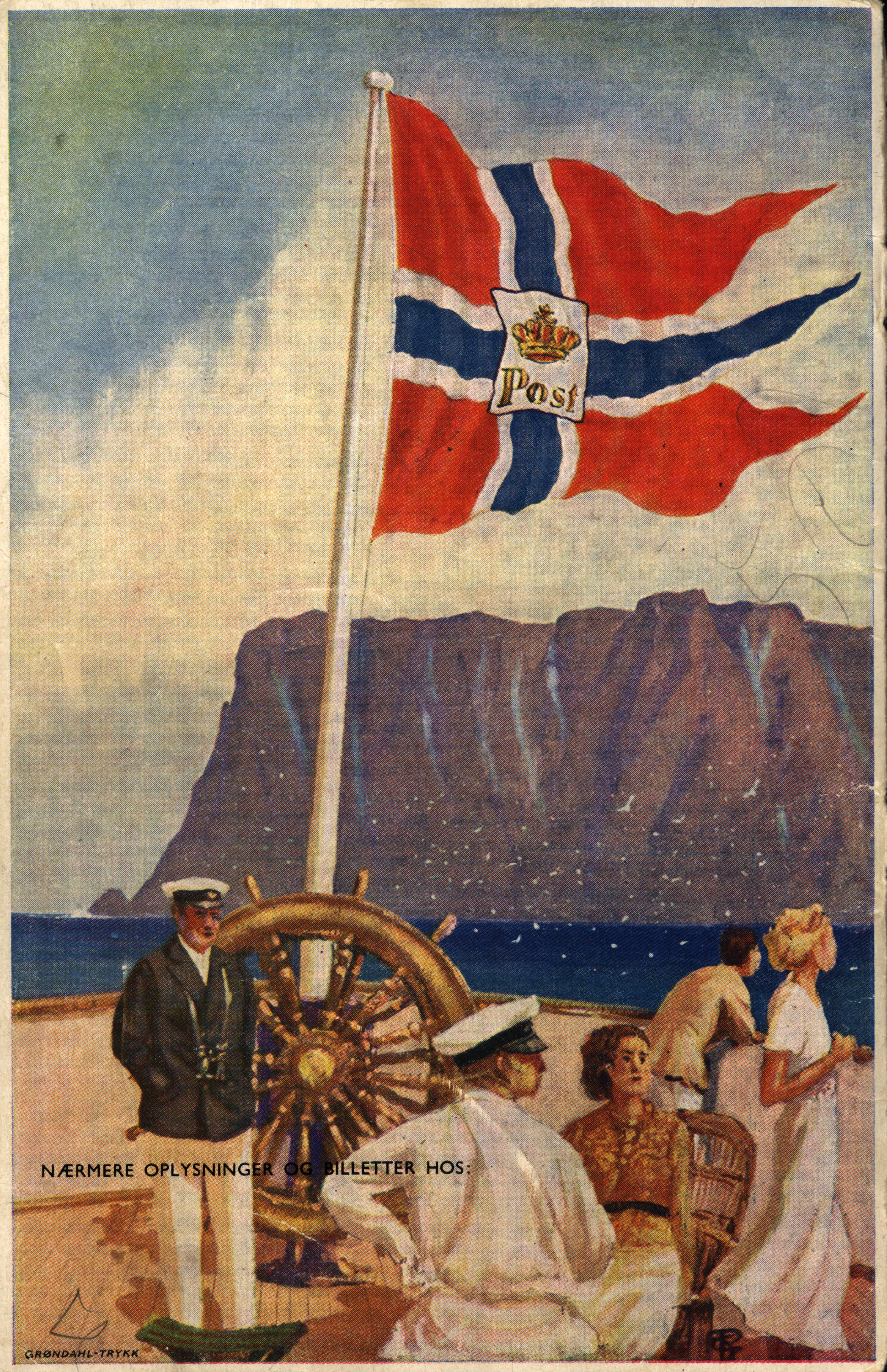
Image credit: Harald Johansen, Hurtigruten and Hurtigruten Museum, Hurtigruten.
The Kystruten: your questions answered
What does 'Kystruten' mean?
Kystruten translates directly from Norwegian as 'coastal route'. It is the public shipping service that runs the length of Norway's coast between Bergen and Kirkenes, carrying passengers, cargo and mail. The name 'Hurtigruten', the 'fast route', dates from 1893, when the service became the quickest link between northern and southern Norway.
How long does the full voyage take?
The full round trip from Bergen to Kirkenes and back takes 12 days. You can also sail one way: the northbound voyage from Bergen to Kirkenes takes 7 days, and the southbound voyage from Kirkenes to Bergen takes 6 days. Shorter port-to-port sections are possible too, which pair well with time on land.
How many ports does the route call at?
The route calls at 34 ports northbound and 33 southbound, from cities such as Bergen, Trondheim and Tromsø to small communities home to just a few hundred people. Because it still carries freight and local passengers alongside travellers, the ships call at every port, day and night.
Who operates the voyages now?
Since the 2017 tender, the route has been shared between two companies: Hurtigruten and Havila Voyages, alternating departure days so there is a sailing every day of the year. 50 Degrees North works with both, and can book either fleet. To compare them, see the Hurtigruten fleet and the Havila fleet.
Is the Kystruten a cruise?
Not in the usual sense. It is a working coastal route that has carried mail, freight and local passengers since 1893, and it still does. That is part of its appeal: you travel the same route Norwegians use to get from town to town, rather than a purpose-built cruise itinerary. Larger, more comfortable ships arrived from the 1980s, so there is no shortage of comfort on board, but the character of a working route remains.
When is the best time to sail?
The route runs all year, and each season is different. Winter brings snow-covered mountains and the chance to see the Northern Lights. Summer brings the midnight sun and long days on deck. Spring and autumn are quieter.
What is on board?
The ships carry passengers, freight and local travellers together. Meals feature regional Norwegian produce, and there is time ashore at the longer port calls. For a closer look, read how to pack for a Norwegian coastal voyage and our guide to what to expect on board a Havila voyage.
Further reading
If you are weighing up a coastal voyage, it helps to see how the routes and seasons compare. Our Norwegian coastal voyages cover the classic Bergen to Kirkenes journey and its variations. For travellers who want more than time at sea, our coastal voyages combined with a land journey pair the coast with the fjords, cities and Arctic north. If the aurora is the main reason to travel, our Northern Lights voyages focus on the winter sailings beneath the polar night. And for practical guidance and first-hand accounts, our coastal voyage articles and guides range from what to pack to what a day on board is like.